Sustained success
From Toronto dance stage, to OUWB and Mayo Clinic, to social media influencer, OUWB alumnus does it all with passion
Alumni
 November 09, 2026
 By Matthew Lewakowski
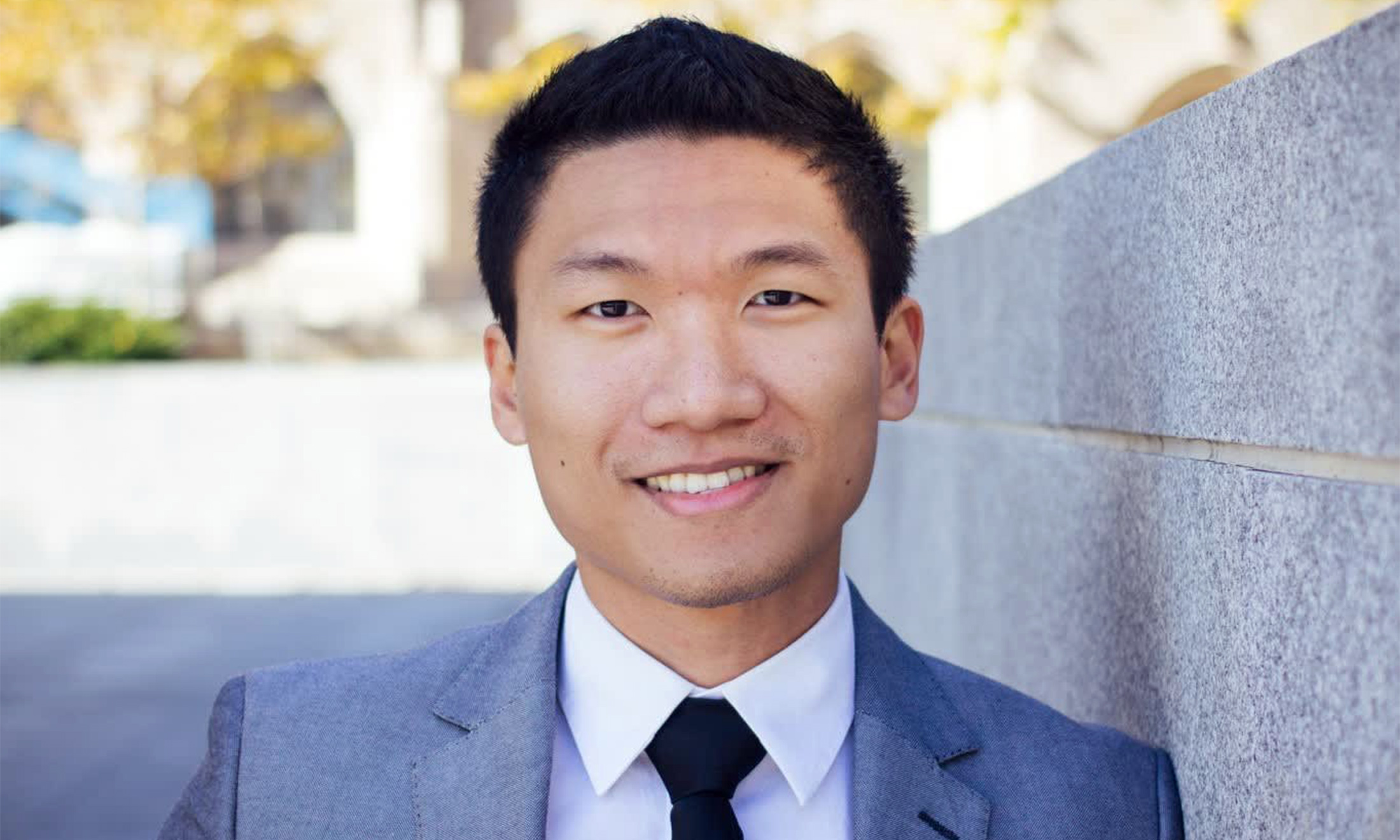
Be it dancing, earning a medical degree, completing a residency at Mayo Clinic, or building a social media presence, Baibing Chen, M.D., has shown a pattern: when he commits to a mission, he finds a way to succeed.
Since graduating from OUWB in 2019, for example, Chen (as doctor.bing) has built a large following on Instagram, TikTok, and Snapchat by explaining complex medical topics in language ordinary audiences can understand. Across those platforms, he has more than 500,000 followers.
Other examples of Chen committing to a mission and finding success can be found aplenty — on a dance stage in Toronto, in an OUWB classroom, then in residency and, eventually, to a career in neurology and epilepsy at Henry Ford Health.
“It’s important to focus on what you’re trying to accomplish and do good for the world, whatever that might look like,” he says. “There are so many things in the world that you can do to help other people.”
Stage to the classroom
Chen’s journey into the field of medicine wasn’t a straight line. Before he became a physician, researcher, and advocate for brain health, he had a period in which he worked as a backup dancer.
Originally from Toronto, Chen took up dancing when he was moving from high school to college, an experience which in later years had a significant impact on both his personal and professional life.
He participated in a talent competition as a dancer and afterwards someone offered him the opportunity to become a backup dancer for the program, thus providing an early instance of how his interest in the arts would eventually combine with his medical career.
"Dancing has always been a major part of my life since high school," he says.
But it wasn’t his entire life.
He earned a bachelor’s degree in pharmacology from University of Toronto and then a Master of Public Health from Yale University School of Public Health, being motivated by a wish to understand trends in population health and to develop research skills that were relevant to neurological disorders. His areas of focus included epidemiology and biostatistics, and his first professional position was as a biostatistician working in neurology and epilepsy research.
The work included coding and statistical analysis, enabling him to look at medical data and help with research that might one day be published.
He wanted to become a doctor because he wanted to help people, both individually and at a broader public health level.
OUWB was a top choice to attend medical school because it was still a relatively new school, he valued the supportive staff, and the diverse clinical rotations available to its students.
“I enjoyed OUWB a lot,” says Chen. “It was a very good and intense learning experience.”
Med school and beyond
One of Chen’s best memories at OUWB was spending time with friends in a study room that was assigned to them on campus; the group would study, eat, and even go to the gym together.
"We used the gym (on campus) and studied there while we were working out," he says.
The variety of his clinical experiences through the OUWB/Corewell Health affiliation prepared him for residency.
He matched at the Mayo Clinic in Florida — his first choice.
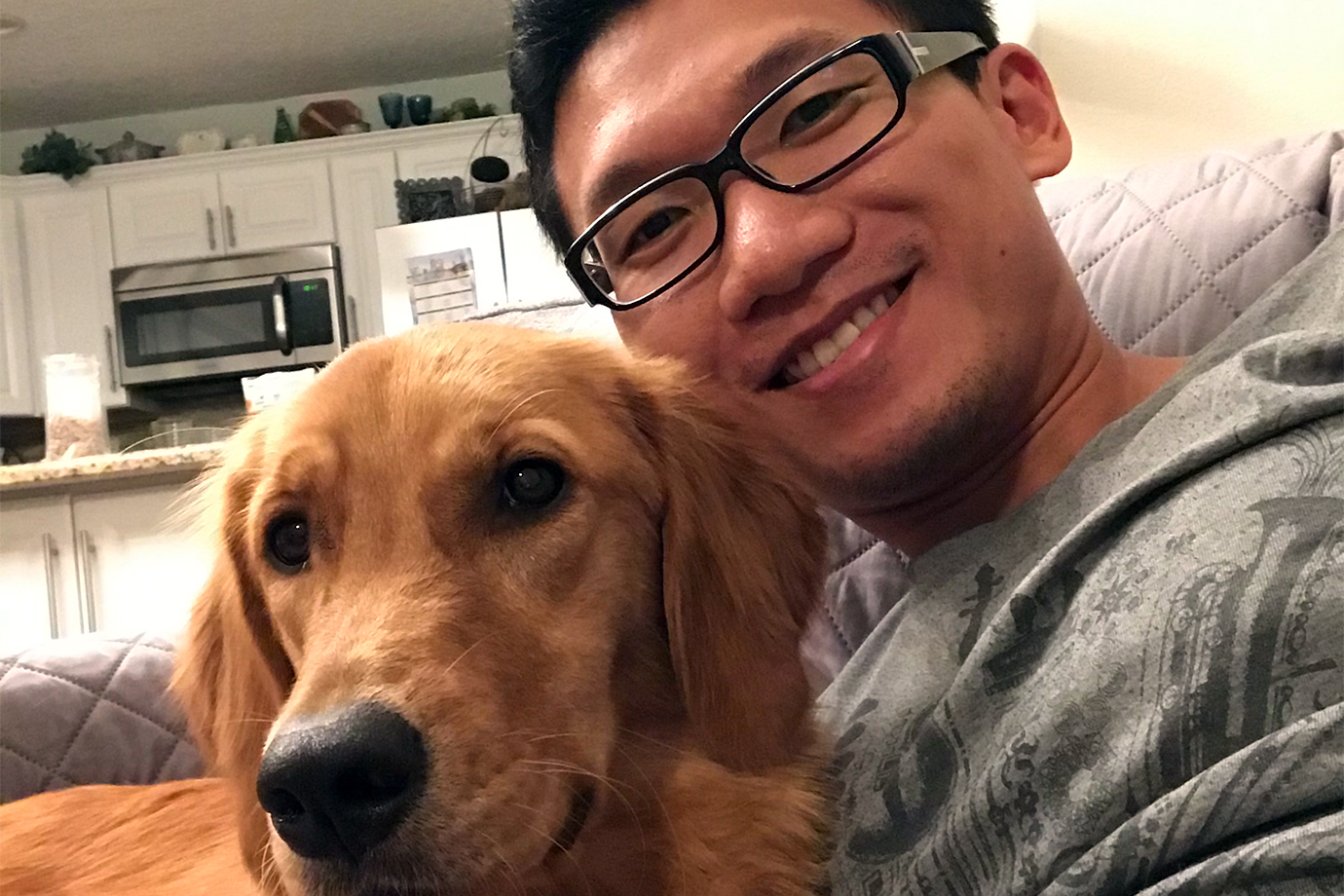
“I ranked Mayo Clinic number one for my residency match because I wanted to train and learn with the best and see medical cases that I otherwise wouldn’t have a chance to see elsewhere,” he says. “It was one of the most memorable experiences in my life. The mentors I met there and the connections I built continue to help advance my career, which is something I’m grateful for.”
Chen went on to become double board-certified in neurology and epilepsy.
He says it allows him to deal with more complicated cases, such as those involving patients whose seizures cannot be controlled by medication alone.
He also treats patients for stroke, multiple sclerosis, and dementia, and helps people manage their general brain health.
For example, he advises people to concentrate on the things within their control, such as keeping their blood pressure healthy, controlling their diabetes and cholesterol, avoiding smoking, and reducing their intake of alcohol.
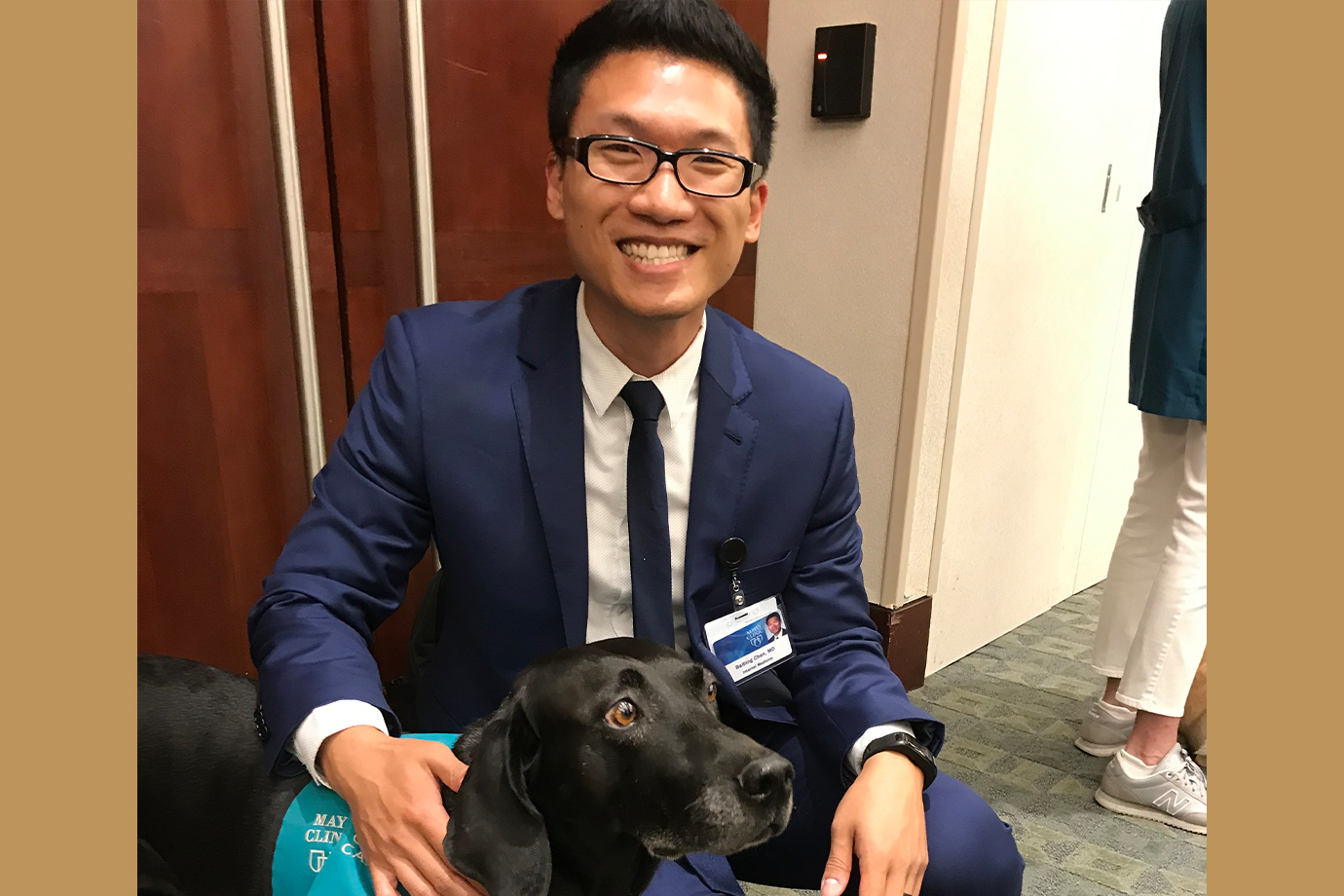
He also notes that the brain gets a benefit from being challenged. Learning a new language, preparing a new meal, or learning a new dance routine causes the brain to form and strengthen connections.
The link between dancing and brain health is especially important to Chen given his background. Research has shown an association between dancing and a reduced risk of dementia, says Chen.
"Dancing was the only form of physical activity that was associated with a lower chance of dementia," he says, in connection with the findings of a 2013 study.
‘A good understanding’
His career on social media started in 2022 and in an unexpected way. Having to work night shifts at the hospital and suffering from sleep deprivation, Chen decided to begin making educational content.
His goal then — and now — was to make neurology and brain health information understandable to the public.
“My goal was to help people understand different neurological conditions,” he says. “What is a stroke, seizure, or dementia? People often hear these terms but don’t really understand what they are.”
And like most things Chen puts his own mind to, he has found success.
First, there are the hundreds of thousands of followers.
But there’s another big benefit: over time he’s realized that creating content has helped him explain complex topics more clearly to his own patients.
“(Social media) has made me spend a lot of time trying to make sure that what I’m talking about isn’t at a high language level, but in a way that people can understand,” says Chen. “This gets applied to my daily clinic and work life …I’ll often hear patients say that no doctor has ever explained any of this to them and they finally have a good understanding.”
“It’s helping me a lot to connect with my patients,” he adds.
More from inMedicine