Echoes of the past
OU lecturer bridges together ancient Iraq traditions with the modern world in acclaimed new poetry collection
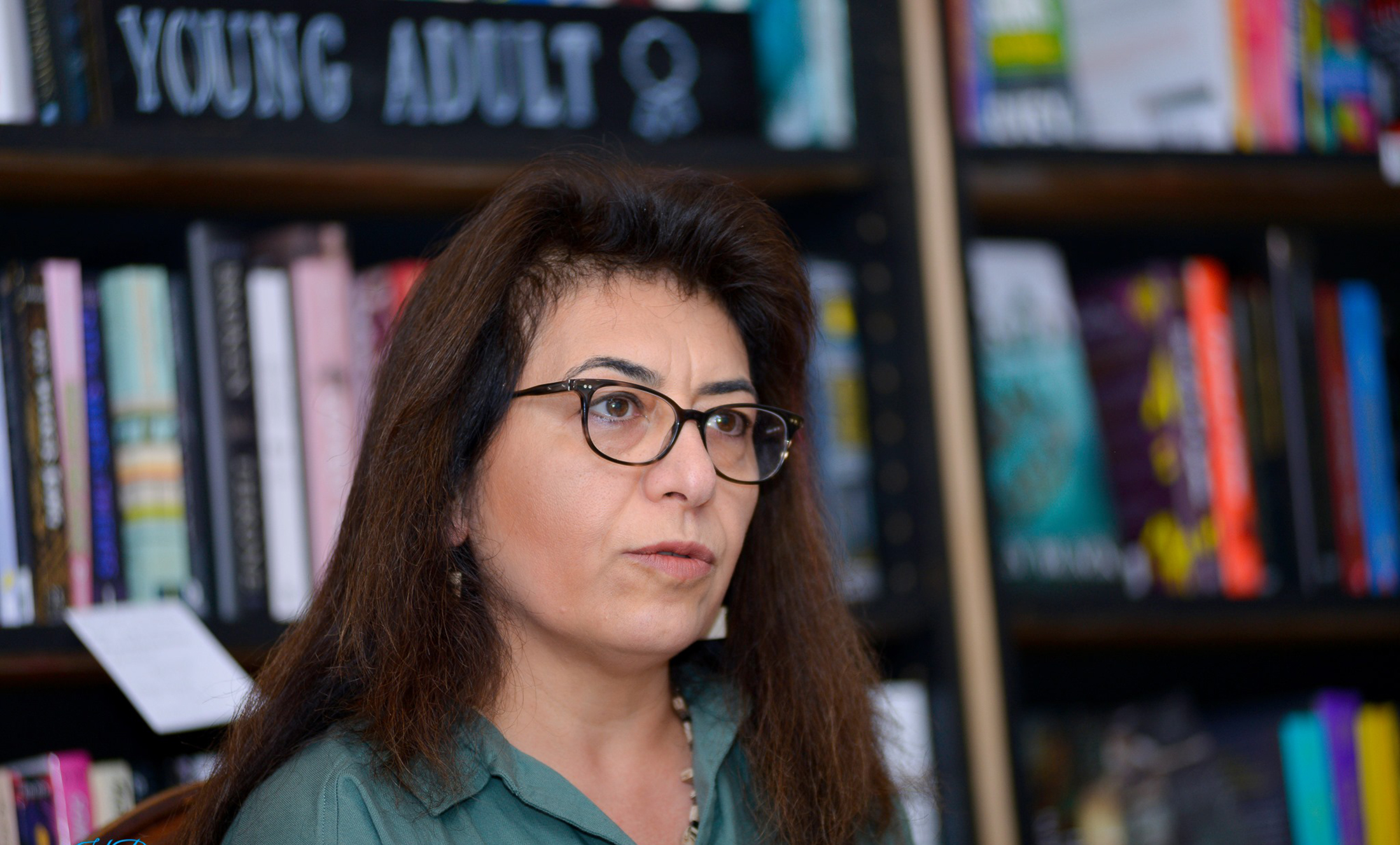
Acclaimed Iraqi American poet and Oakland University special lecturer Dunya Mikhail was recently featured in “The New York Review of Books” for her latest poetry collection, “Tablets: Secrets of the Clay.”
 October 10, 2025
 By Emily Beerens
Acclaimed Iraqi American poet and Oakland University special lecturer Dunya Mikhail was recently featured in “The New York Review of Books” for her latest poetry collection, “Tablets: Secrets of the Clay.”
Mikhail teaches Arabic in OU’s Department of Modern Languages and Literatures and occasionally teaches poetry courses through the Department of English, Creative Writing, and Film. Her writing bridges Iraq’s ancient traditions with the realities of war, exile and displacement in the modern world.
In the May 29 issue of “The New York Review of Books,” critic and writer Anna Della Subin examines how Mikhail’s writing recovers Iraq’s buried past through a contemporary lens. The feature, titled “Her Own Cuneiform,” explores how Mikhail’s poems preserve authentic histories, while touching on themes of freedom and survival.
Originally from Baghdad, Mikhail came to the United States in 1996 and settled in Michigan. According to the article, her first collection, “The War Works Hard” (2005), was short-listed for the Griffin Poetry Prize and made her the first female Iraqi poet to have a book published in the U.S. Since then, Mikhail has published six other books, including a novel, a non-fiction book and poetry collections, and has often written bilingually in Arabic and English.
 |
|---|
On poetry, Mikhail says, “I believe that poetry is useless but effective – like the butterfly effect: delicate, but capable of great impact.” She writes for places surrounded by constant violence, striving for a miracle, “every moment/something ordinary/will happen/under the sun” (“The Iraqi Nights,” lines 29–32).
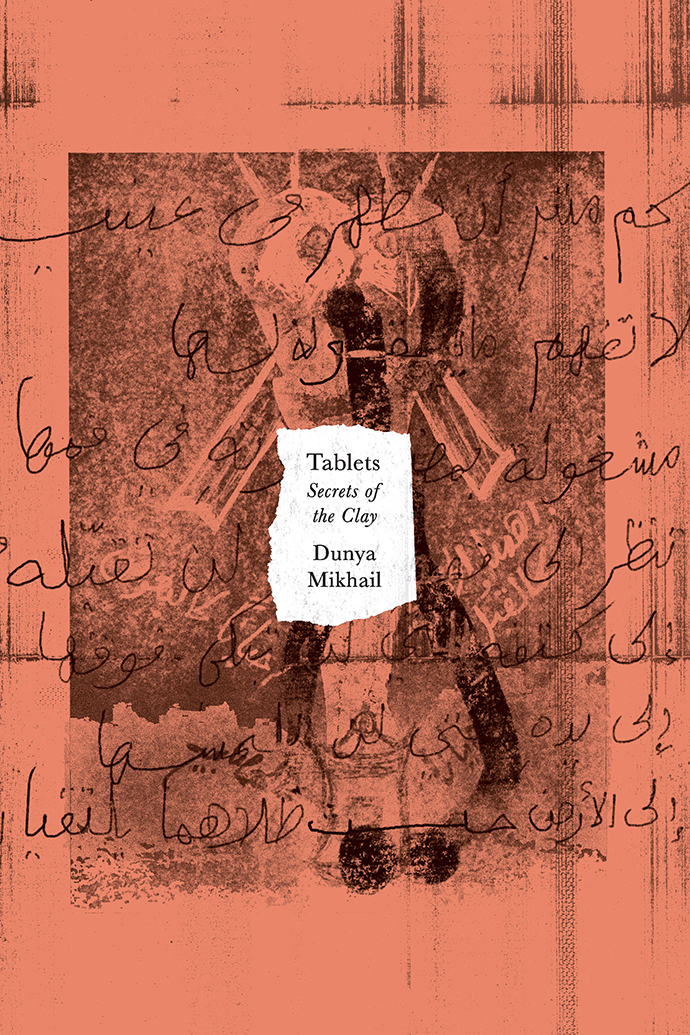
Mikhail’s latest collection, “Tablets: Secrets of the Clay,” includes 240 pictograms inspired by ancient Sumerian glyphs.
“The book grows out of my fascination with the world’s first writing — Sumerian cuneiform — and how those ancient marks still speak to us today,” Mikhail said. “Each poem transforms a clay tablet into a conversation across time, revealing how stories, language and human longing survive through centuries. I think that timeless connection resonated.”
Since her feature in “The New York Review of Books,” Mikhail has received an overwhelmingly positive response from her peers, colleagues, and audiences around the world.
“It has been less like receiving applause and more like hearing footsteps join mine on a long road,” Mikhail said.
In addition to her published work, Mikhail remains committed to sharing her knowledge and expertise with OU students. Her courses explore Arabic language and culture, as well as the creative possibilities of poetry.
“Oakland University has given me a space to teach, exchange ideas and stay immersed in the literary world,” Mikhail said. “The conversations with students and colleagues continually challenge and inspire me, feeding my own writing and broadening my perspectives.”
To learn more about Mikhail and her work, read her recent feature in “The New York Review of Books.”
To learn more about the Oakland University Department of English, check out the university’s website for more information.