Turning Pain into Purpose
Foundation spreads hope and saves lives
 By Laura Bismack
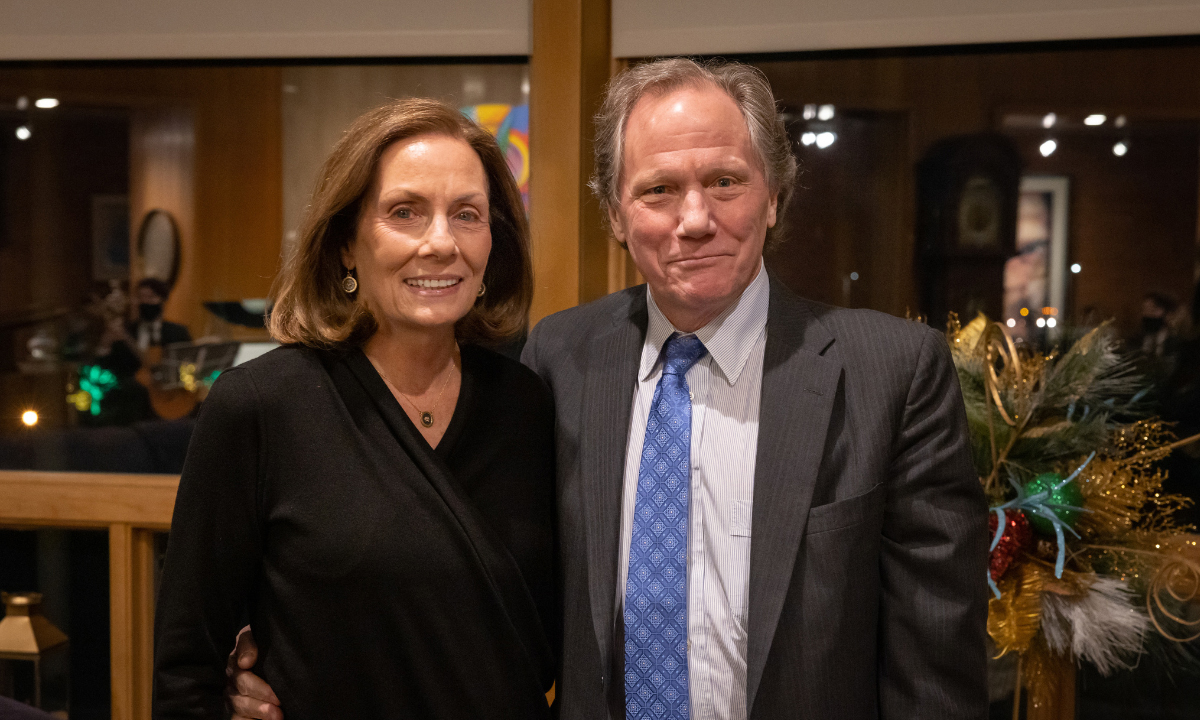
In 2016, Ken Daniels and Lisa Daniels-Goldman lost their beloved son, Jamie Daniels, to an accidental overdose while seeking treatment for a substance use disorder. With extraordinary courage, they turned their unimaginable loss into a powerful mission to save lives.
Jamie was a bright and compassionate young man, supported by a loving family and a strong network of friends. Despite the progression of his disease throughout college, he graduated from Michigan State University with a 3.5 GPA.
“We didn’t have a history of addiction in our family. We didn’t know where to turn,” Daniels-Goldman shares. “If it can happen to our family, it can happen to anyone.”
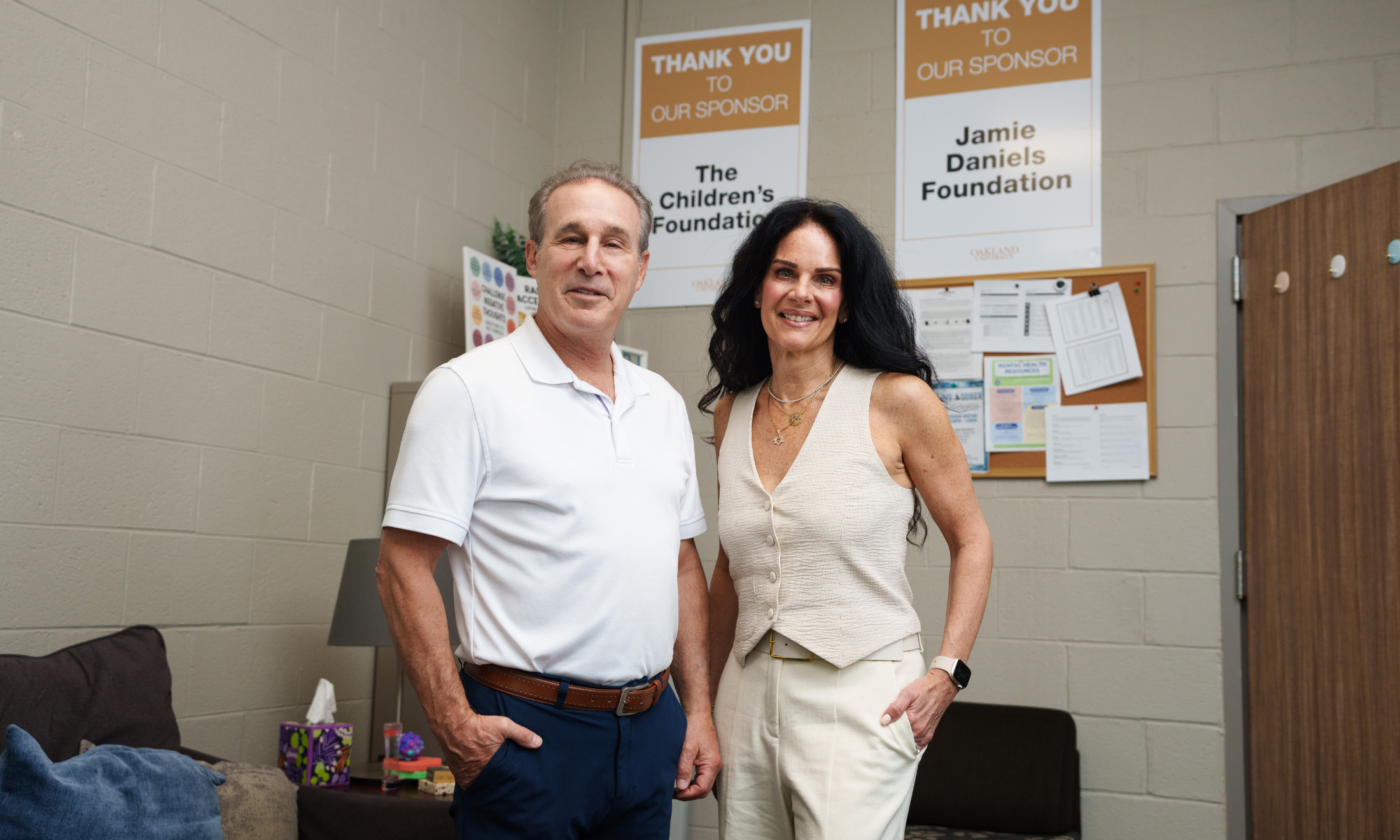
Turning pain into purpose, the Daniels family established the Jamie Daniels Foundation to help children, young adults and their families through initiatives that address prevention, recovery and stigma reduction. A key pillar of the foundation’s work supports collegiate recovery programs (CRP) which help students seeking or maintaining recovery while pursuing a college education.
“The Jamie Daniels Foundation supports collegiate recovery programs because they are successful,” says Chris Perry, executive director of the Jamie Daniels Foundation. “Research shows that students engaged in a recovery community are more likely to have a higher GPA and more likely to graduate than the average student.”
Since 2018, the Jamie Daniels Foundation has donated $1 million to support 11 CRPs across Michigan — critical lifelines for roughly one-third of the state’s 500,000 college students.
The impact the Daniels family has witnessed is immeasurable. “We love these programs,” says Daniels-Goldman. “They are so special to us. We know that close to 90% of the kids who go through these programs will go on to graduate. It gives them the opportunity to find success in their lives that they wouldn’t otherwise have.”
College presents unique stressors and peer pressures, making it a particularly vulnerable time for students. CRPs provide consistent, inclusive, and accessible resources and services critical for long-term disease management and relapse prevention.
“The role of these colleges, universities and postsecondary institutions is to prepare students for the future,” Daniels-Goldman says. “This is part of their future.”
A fund at the Children’s Foundation, the Jamie Daniels Foundation is one of the few foundations actively working to change the narrative and improve outcomes for youth and young adults with substance use disorders. In 2024, the foundation received the inaugural “Visionary Award for the Advancement of Collegiate Recovery” from the Association of Recovery in Higher Education (ARHE), recognizing its significant and groundbreaking contributions.
At Oakland University, the Jamie Daniels Foundation is helping students stay sober, safe and supported through Grizz Recovery — one of only 183 programs recognized by ARHE worldwide.
Grizz Recovery
Supported by the Jamie Daniels Foundation since 2022, Grizz Recovery is designed for Oakland University students of all ages and stages of recovery.
“We feel good making these investments in OU because we know there are so many other people on campus who are committed to making this a success. We want other people to see the work we are doing and be interested, too — knowing this disease is something that impacts everyone in one way or another,” Perry says.
Program coordinator, Sarah Super, is a psychiatric nurse and a person in long-term recovery herself. Her passion, professional expertise and personal experience is transforming the program and the lives of the nearly 20 students it serves each semester. As Grizz Recovery grows and evolves, its primary focus remains on building a strong social support network — a driving force behind successful student recovery. Students attend regular recovery meetings, participate in special social events and have 24/7 access to their own dedicated community space fondly nicknamed the “Cub House.”
Super also provides confidential, individualized case management and partners closely with the OU Counseling Center, Graham Health Center and University Recreation and Well-Being to ensure holistic student care and support. “We try to honor Jamie’s life every day by doing these things with our students,” Super says. “A day doesn’t go by that we are not grateful for Jamie and for the Daniels family.”
For students in Grizz Recovery, the Jamie Daniels Foundation’s support means far more than receiving a college degree.
“Substance use disorders are a lifelong disease. If you aren’t working on your recovery, you are working on your relapse,” Super says. “Without recovery, substance use disorder ends in three ways — jail, institutional placement or death.”
True to its mission of inclusivity, Grizz Recovery welcomes all OU students seeking a sober college experience. “Struggling with addiction can be isolating and it’s a very lonely place,” Super says. “Grizz Recovery not only provides a supportive environment for a diverse community of students navigating substance use disorders, but we also welcome students involved in ‘Students for Recovery’ — a student organization made up of individuals who are also pursuing a substance-free lifestyle, even if they don’t identify as having an addiction. We include members of ‘Students for Recovery’ whenever we can to build camaraderie across campus and reinforce the idea that the college experience doesn’t have to revolve around drugs and alcohol.”
Grizz Recovery aligns with OU’s Strategic Vision 2030, contributing to the university’s comprehensive, university-wide effort to promote health and well-being, cultivate an inclusive campus community and enhance student success.
Additional OU resources include:
Individual counseling
Free opiate overdose reversal medication and fentanyl test kits
State-licensed substance abuse prevention program
Mental Health/Substance Use Disorder First Aid Training
Addiction studies courses
Students for Recovery organization aimed at reducing sobriety stigma
Alcohol Awareness Workshops
OU Police Department partnership with Hope Not Handcuffs
Continuing the Conversation
By sharing Jamie’s story, the foundation aims to promote an understanding of substance use disorders grounded in science –not stigma or shame.
“As Jamie was struggling with substance use disorder, he was too afraid to speak out because of the stigma associated with it. Little did he realize how many of his friends and people we know were going through the same thing,” Daniels-Goldman says.
Substance use disorders are complex medical conditions that impact individuals of all backgrounds and stages of life. According to the Substance Abuse and Mental Health Services Administration, it is estimated that nearly 9% of U.S. adolescents ages 12 to 17 — approximately 1.8 million individuals — have a substance use disorder.
“Where you have kids, there are substance use disorders. And where there are substance use disorders, there should be recovery programs,” says Daniels-Goldman.
Jamie’s father, Detroit Red Wings broadcaster Ken Daniels, uses his platform for advocacy and change. “Being in the public eye, you can’t hide from it. But you can use it to your advantage to get out the message,” Daniels shares. “The highest form of knowledge is empathy.”
In the future, Ken and Lisa envision a world where there is no longer a need for collegiate recovery programs.
“The medical community sees substance use disorder as a disease of adolescence,” says Perry. “Research shows that 90% of people in recovery or struggling with substance use disorder first engaged with their substance before their 18th birthday. The earlier you engage with that person for prevention or delay of use, the better the outcome.”
The foundation also supports early prevention initiatives across four Michigan school districts and the Adolescent Addiction Recovery Center in Troy — one of the state’s few facilities offering comprehensive, therapy-focused treatment for youth with substance use disorders.
Through their partnership, the Jamie Daniels Foundation is changing the lives of students and the OU campus community.
More from Advancing Oakland