
A literacy legacy comes full circle in Jamaica
OU alumna brings students to the schools where her own educational journey began
Student Spotlight
 November 24, 2026
 By Catherine Ticer
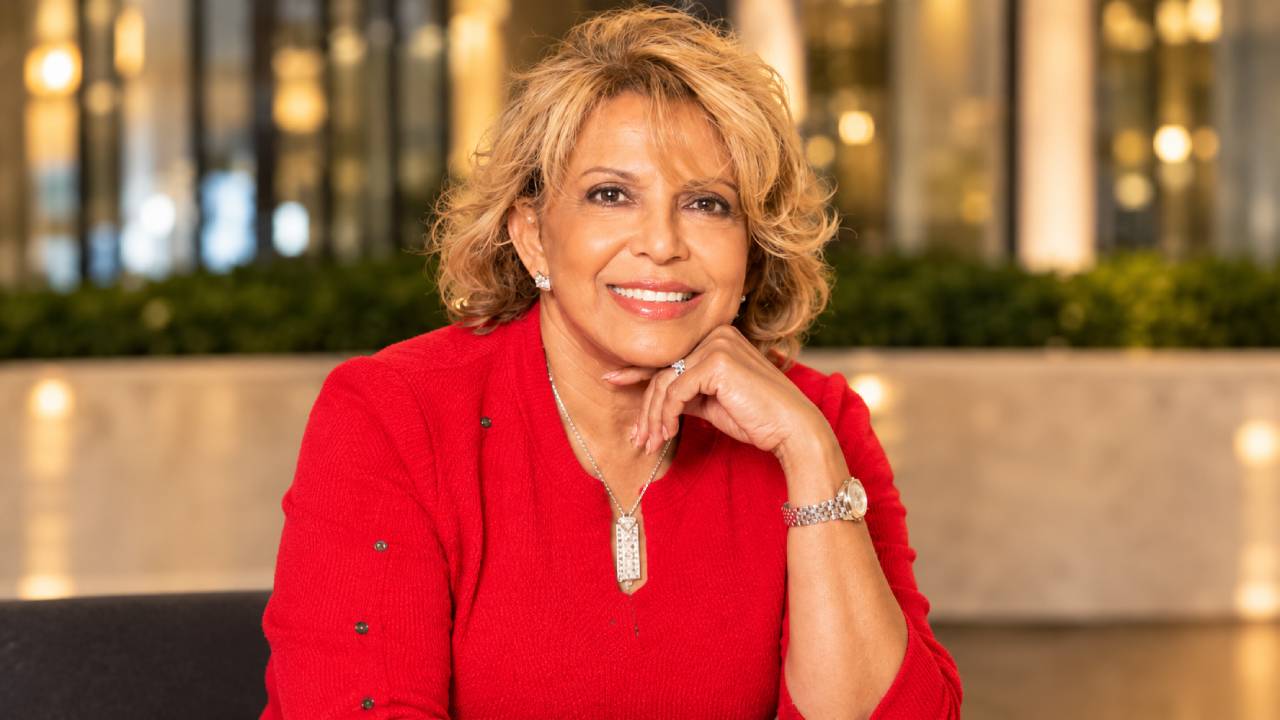
When Oakland University students visit two rural Jamaican schools during the university’s Alternative Spring Break in 2027, they will be entering the classrooms where Paula Sunanon Webster’s own education began. A two-time OU alumna (SEHS ’96 and ’01), Webster is helping connect students with the community that shaped her.
At Kemps Hill Basic School and Race Course Primary School in Clarendon Parish, south-central Jamaica, students will read with children, assist teachers and bring literacy materials. Their work will build on literacy initiatives Webster has supported in Jamaica with Oakland University faculty, alumni and friends since the late 1990s.
For Webster, the Feb. 27 to March 6 trip represents more than a week of service. It is another chapter in a lifelong commitment to literacy, education and her Jamaican community.
Webster grew up in a close-knit community where schools were extensions of home and teachers knew their students’ families, strengths and struggles.
“Community was the heartbeat of everything,” Webster says.
Resources were limited. Chalk could be scarce and textbooks were shared, but expectations were high. “What we lacked in instructional resources, we made up for in spirit,” she says.
Literacy was valued in Webster’s family long before she understood how deeply it would shape her life.
Her maternal grandmother could not read or write, but once asked young Paula to compose a letter to a relative in New York. After Webster finished, her grandmother turned to Webster’s father and urged him to invest in his daughter’s education because she could read and write.
Webster also grew up without nearby libraries and rarely saw children or communities like her own reflected in the books available to her. Those experiences helped shape two beliefs that would guide her career: Literacy opens doors, and representation matters.
After moving to Rochester Hills, Webster became connected with Oakland University through campus and community activities. A friend, the late JoAnne Strobel, an OU alumna and Clarkston teacher, encouraged her to explore the university’s reading education program.
Webster earned a master’s degree and a doctorate in reading education at OU, where professors Toni Susan Walters, Ph.D., and Jane Marie Bingham, Ph.D., became mentors whose influence would eventually extend far beyond campus.
She spent 35 years in education as a literacy teacher educator, researcher and classroom teacher. Her research on literacy and children’s literature has appeared in publications including “The Reading Teacher,” “Journal of Children's Literature,” “Childhood Education” and “Caribbean Journal of Education.”
By 2000, Webster and her team had helped provide 2,000 children’s books to 36 schools serving 5,000 students. OU faculty also worked with Jamaican education leaders to create opportunities for educators to pursue graduate study in reading education. Literacy work developed through the effort was later incorporated by UNICEF Jamaica into programming for basic schools in Zone 40.
The impact of that work continues. Webster recently learned that a teacher at Kemps Hill Basic School had read “Grandpa, Is Everything Black Bad?” to her students — a book delivered through the literacy initiative more than a quarter century ago.
The discovery was a reminder that a single book can have a surprisingly long life.
Although Webster retired in 2025, her commitment to the community continues. During the past two years, she, Walters, Bingham, family members and friends have helped provide high school tuition scholarships for 27 Race Course Primary School students. They also have continued supporting schools and families with books, resources and other assistance.
For Webster, returning to the schools where she once studied feels like closing a circle.
“These were the places where my education started, where teachers encouraged me and where I first learned that schooling could open doors to a different kind of future,” she says. “I want today’s children to know that someone who once sat in those same classrooms believes in them.”
That same belief motivates Webster’s support of Oakland University students.
She has contributed financially to the Alternative Spring Break program in hopes that cost will not keep students from participating. Her own education was shaped by people and institutions willing to invest in her.
“I want to pay that forward,” she says. “No OU student should be prevented from participating in a global learning experience because of financial constraints.”
In Jamaica, OU students will read with children in small groups, support teachers and experience schools where educators work creatively with limited books and technology. Beyond the classrooms, they will visit local markets, meet worshippers at Nazareth Gospel Assembly and experience the culture and communities that shaped Webster’s life.
“Students will not only witness the resilience and brilliance of Jamaican children, they will contribute to it,” Webster says. “They will step into classrooms where a single book, a single conversation or a single act of service can change a child’s trajectory. It connects OU students to a global experience that will shape their worldview and it strengthens two rural Jamaican schools that continue to nurture the next generation, just as they once nurtured me.”
“Though I left Jamaica 55 years ago, I am umbilically tied to the land of my birth,” Webster says.
Soon, she will return alongside a new generation of Oakland University students.
“I hope this inaugural Alternative Spring Break will lead to many more, long after I am no longer the one leading them,” she says.
To learn more about how you can help remove financial barriers for Oakland University students participating in the upcoming Alternative Spring Break trip to Jamaica, contact Christine Talbert in University Advancement at catalbert@oakland.edu.